Lima is a city of contrasts and layers, and the best way to understand it is to explore its neighborhoods. Known locally as distritos, Lima’s 43 districts each have a distinct character, history, and rhythm — from the colonial grandeur of the Centro Histórico to the coastal cool of Miraflores and the bohemian energy of Barranco. Knowing the neighborhoods in Lima before you arrive helps you choose where to stay, what to prioritize, and how to get the most out of your time in Peru’s capital.
This guide focuses on the neighborhoods in Lima with the greatest tourist appeal — the districts where history, food, culture, and atmosphere come together to make exploration genuinely rewarding.
The Best Neighborhoods in Lima to Explore
Miraflores — The Heart of Modern Lima
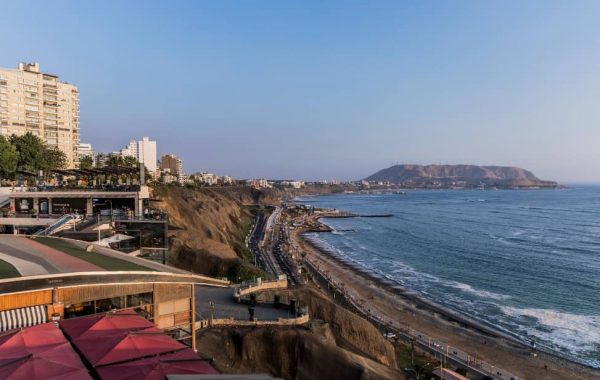
Miraflores is the most visited of all the neighborhoods in Lima. Perched on dramatic cliffs above the Pacific Ocean, it combines upscale restaurants, excellent hotels, and great shopping with the celebrated Malecón — a clifftop promenade best explored by bicycle or on foot at sunset. The cliffs also serve as launch points for paragliding over the coast, one of Lima’s most memorable experiences.
Inland, Miraflores hides Huaca Pucllana, an ancient adobe pyramid built by the pre-Inca Lima Culture rising improbably from the modern city. The Museo Larco, home to an extraordinary collection of pre-Columbian gold and ceramics, is also close by. For visitors, Miraflores offers the widest range of accommodation and the easiest access to the rest of the city.
Barranco — Lima’s Bohemian Soul
Just south of Miraflores, Barranco is the most creatively charged of all the neighborhoods in Lima. Its streets are lined with colorful colonial houses draped in bougainvillea, independent cafés spilling onto sunny sidewalks, and murals covering entire building facades.
The neighborhood has been a gathering place for Lima’s artists, writers, and musicians for over a century, and that spirit is still very much alive today.
The iconic Puente de los Suspiros — Bridge of Sighs — is Barranco’s most recognizable landmark. Local tradition holds that crossing it while holding your breath and making a wish brings good luck.
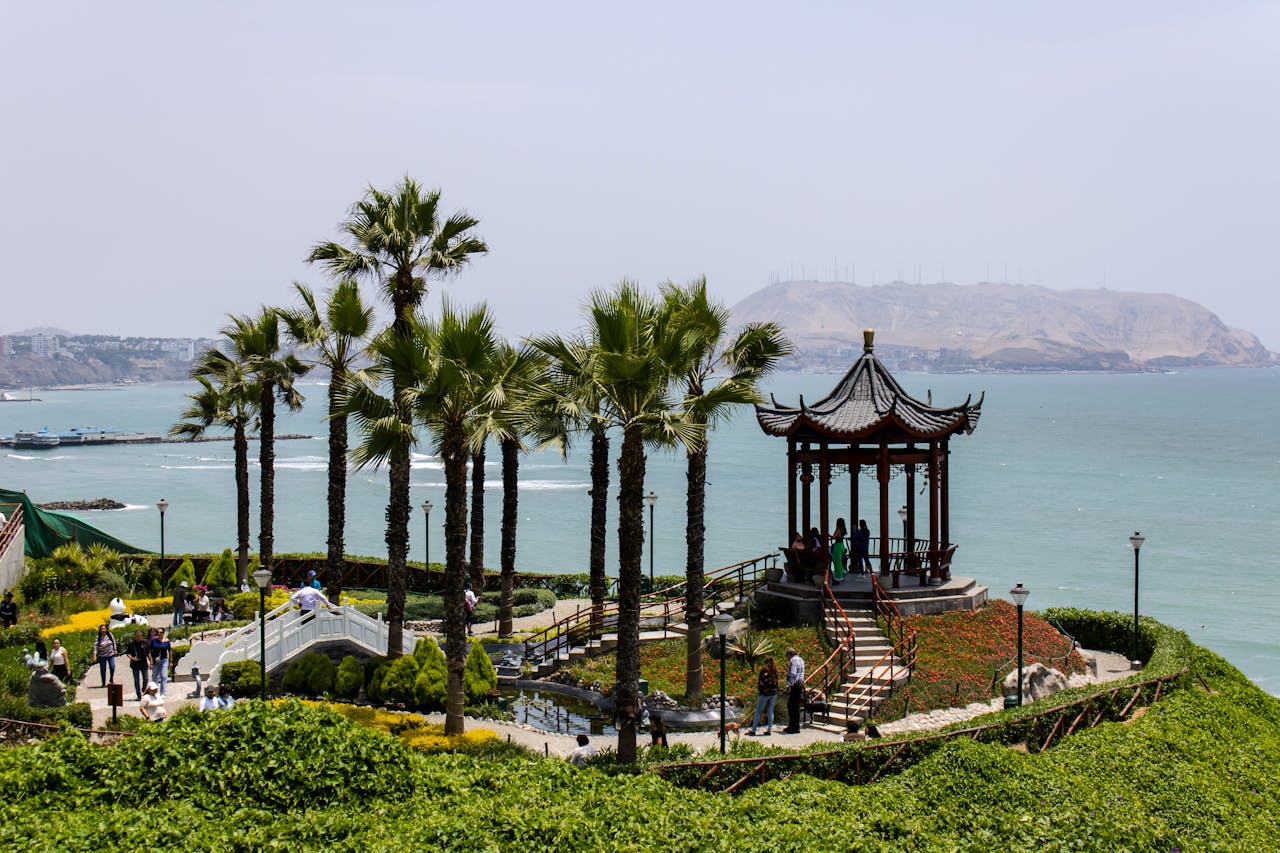
The neighborhood’s Malecón offers sweeping Pacific views, and the surrounding streets are packed with exciting restaurants and rooftop bars. The Museo de Arte Contemporáneo and Museo Pedro de Osma reflect the district’s long cultural prosperity.
Barranco is also one of the best neighborhoods in Lima for nightlife, with bars and live music venues that draw both locals and visitors late into the evening.
San Isidro — Green, Elegant, and Surprisingly Rich in History
San Isidro is Lima’s financial district, but its leafy streets and historic parks make it one of the most rewarding neighborhoods in Lima to spend time in.
The defining green space is Bosque El Olivar — a park of ancient olive trees dating back to the viceregal era. San Isidro is also where the Malecón begins its coastal run, making it a great starting point for cycling or walking south toward Miraflores and Barranco.
The neighborhood contains Huaca Huallamarca, another pre-Inca adobe pyramid built by the Lima Culture. Considered one of Lima’s safest and most upscale districts, it is particularly well suited to families and travelers seeking a quieter base.
Centro Histórico — Lima’s Colonial Core
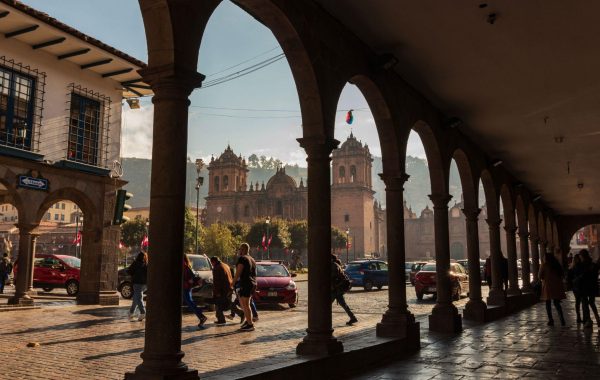
The Centro Histórico is where Lima began, and it remains one of the most historically significant neighborhoods in Lima. Centered on the Plaza de Armas — one of the grandest main squares in South America — this district is a living archive of Peru’s colonial past, with ornate baroque architecture, ornamental balconies, and centuries-old churches lining its streets.
The Cathedral of Lima and the Government Palace anchor the Plaza de Armas, and the daily changing of the guard is worth catching.
The Basílica y Convento de Santo Domingo and the underground catacombs beneath the Church of San Francisco are among the district’s most atmospheric sites. Lima’s Barrio Chino — one of South America’s oldest Chinatowns — adds a layer of culinary diversity.
The Centro Histórico is best visited during the day; most tourists stay in Miraflores or Barranco and travel here by public transit or taxi.
Santiago de Surco — Lima’s Garden District
Santiago de Surco is one of Lima’s largest districts and is considered the oldest continuously inhabited settlement in Peru. It is quieter and less tourist-focused than Miraflores or Barranco, but rewards visitors who take the time to look — with historic fundos (traditional estate farms), wine culture, beautiful parks, and a neighborhood atmosphere that feels far removed from the tourist trail.
Which Neighborhood in Lima Is Right for You?
The neighborhoods in Lima serve different types of travelers. Miraflores is the most practical base for first-time visitors, with safety, great transport links, and accommodation at every price point. Barranco suits travelers who want culture and a lively social scene. San Isidro is ideal for families seeking a calmer, greener environment.
The Centro Histórico is unmissable as a day destination for history lovers, while Santiago de Surco — Lima’s oldest settlement, with historic estate farms and beautiful parks — offers an off-the-beaten-track perspective for curious explorers.
Where to Stay in Lima
Your choice of neighborhood will shape your entire experience of Lima, so it’s worth choosing with care.
For travelers seeking a premium experience in Peru’s capital, explore the best luxury places to stay in Lima — a curated selection of exceptional properties in Lima’s finest locations.
For a wider range of styles and budgets, discover the top places to stay in Lima — stylish, well-positioned options across Lima’s best neighborhoods that make exploring the city effortless.
FAQs
What is the best neighborhood to stay in Lima?
Miraflores is the top choice for most visitors, offering excellent safety, a wide range of hotels and restaurants, and easy access to other neighborhoods in Lima. Barranco is a great alternative for travelers who want a more bohemian, culturally vibrant atmosphere. San Isidro is well suited to families and business travelers looking for a quieter, upscale environment with good green spaces.
How many neighborhoods does Lima have?
Lima has 43 officially designated districts, which expand to 49 when including the neighboring province of Callao — home to Jorge Chávez International Airport. Of these, a handful of central and coastal districts — particularly Miraflores, Barranco, San Isidro, and the Centro Histórico — account for the vast majority of tourist activity and accommodation options.
Which neighborhood in Lima has the best ocean views?
Miraflores is the clear winner for ocean views, thanks to its dramatic clifftop position above the Pacific. The Malecón de Miraflores offers unobstructed panoramic views along the entire coast, particularly beautiful at sunset. Barranco and San Isidro also have coastal Malecón access with excellent Pacific views, making the entire stretch from San Isidro south through Miraflores to Barranco one of the most scenic urban walks in Lima.