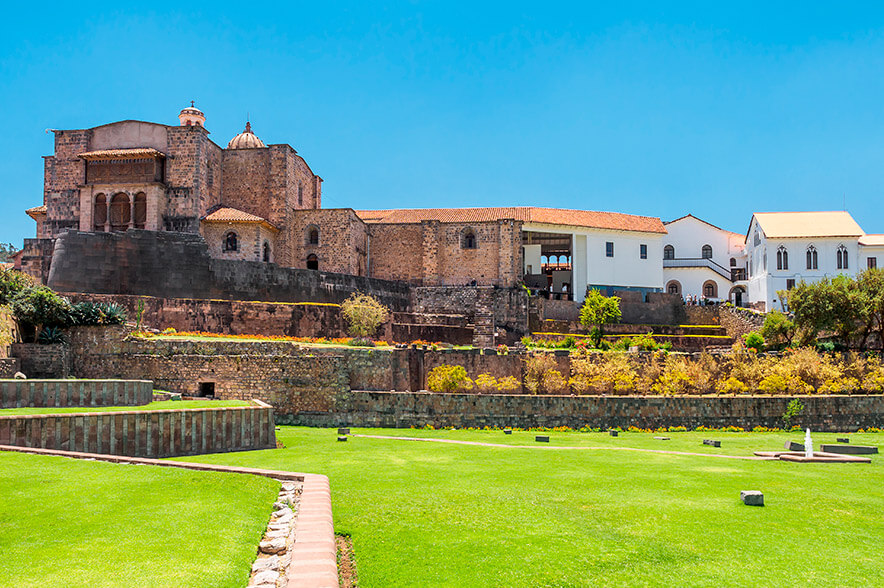
The coricancha museum experience is one of the best ways to understand Cusco’s layered identity—Inca, colonial, and modern all in one place. Known in Quechua as Qorikancha (“Temple of Gold”), Coricancha was the most sacred temple of the Inca Empire, dedicated primarily to Inti, the Sun. Today, it stands as a striking symbol of cultural fusion: precise Inca stonework supporting the colonial Convent of Santo Domingo, built directly on top of the original foundations.
This guide covers what Coricancha is, where it is, what you’ll see inside, how to plan your visit (including 2025 prices and schedules), and what to explore nearby—so you can make the most of your time in Cusco’s historic center.
What is the Coricancha museum?
The “Temple of Gold” and the heart of Inca spirituality
To understand the coricancha museum, you have to start with the Inca worldview. Qorikancha (Coricancha) was the most important religious sanctuary in the Tahuantinsuyo (the Inca Empire). It was organized around a large central courtyard and ceremonial rooms dedicated to celestial forces and deities. In Inca times, parts of the complex were famously adorned with gold sheets, which is why it earned the name “Temple of Gold.”
Today, visiting Coricancha is like reading history through architecture: you’ll walk through spaces where Inca religious life once revolved—then look up and see the colonial structure that later claimed the site.
Coricancha location: where is it in Cusco?
Easy to reach from the Plaza de Armas
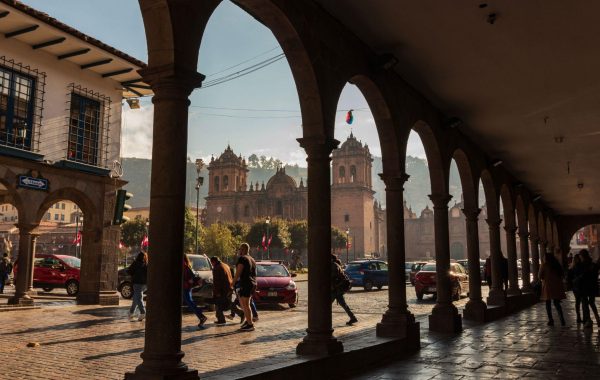
Coricancha sits in Cusco’s historic center, inside the Convent of Santo Domingo, only two blocks from the Plaza de Armas. The official address is Calle Ahuacpinta 659, and the complex is located at about 3,390 meters above sea level. Because it’s so central, many travelers reach it on foot from nearby accommodations and pair it with other must-see landmarks in one walking route.
Coricancha history in three key eras
15th century: Pachacútec’s sacred sanctuary
Coricancha was built under Inca Pachacútec as Cusco’s most sacred temple. Dedicated mainly to Inti (the Sun), it served as the empire’s leading religious center. Its fine stonework and ceremonial layout reflected the Inca’s sophisticated engineering and spiritual priorities.
1533–1538: Spanish arrival and transformation
After the Spanish arrived, the temple was looted, and in 1538 the Convent of Santo Domingo was built directly over the Inca foundations. Instead of demolishing everything, the colonial structure preserved much of the original base—creating the dramatic contrast visitors see today.
Earthquakes that revealed the strength of Inca engineering
A major earthquake in 1650 damaged the colonial construction, but Inca walls resisted. Another earthquake in 1950 exposed more of the original stonework, reinforcing Coricancha’s reputation as a living example of architectural resilience and cultural mestizaje in Peru.
What to see inside the Coricancha museum
The interior was designed with strong symbolic meaning—linked to the Sun and to sacred routes that connected to other ceremonial centers. During your visit, you’ll move through several major areas:
The Sun enclosure (Recinto del Sol)
This was the most important sacred space, dedicated to Inti and also associated with Huiracocha, the creator deity. You’ll notice the most refined stonework here—blocks fitted with remarkable precision. Historical accounts suggest this room was once covered in gold sheets.
The Stars enclosure (Recinto de las Estrellas)
In Inca cosmology, stars were considered daughters of the Sun and the Moon. This area included niches used for precious ornaments and ritual objects, emphasizing the sky’s central role in Andean spirituality.
The Rainbow enclosure (Recinto del Arcoíris)
The rainbow was revered for its relationship with the Sun and rain—vital forces for agriculture and life. This room is often described as one of the most visually “prestigious” spaces of Coricancha in Inca times.
The Lightning, Thunder, and Storm enclosure
Dedicated to Illapa, deity of lightning and thunder, this space carried powerful spiritual weight. Some traditions associate it with major rituals, including the famous Capacocha ceremonies.
The ceremonial fountain and sacred gardens
At the center you’ll find a fountain of colonial origin, and you’ll also see references to Coricancha’s legendary sacred gardens—once decorated with gold figures representing nature. The kantu flower, Peru’s national flower, held special significance in these spaces.
Tickets and opening hours (2025)
Planning your visit is simple, but it helps to arrive early to avoid crowds.
Entry prices
- General admission: 15 soles
- University students: 8 soles (with valid ID)
- Children under 10: free
Visiting hours
- Monday to Saturday: 08:30 to 17:30
- Sunday: 14:00 to 17:00
Cultural attractions near Coricancha
Because Coricancha is in the center, you can build a full cultural day around it. Nearby highlights include the Museo de Sitio del Coricancha, Cusicancha, the Plaza de Armas, and several important museums such as the Inca Museum, the Pre-Columbian Art Museum, Casa Museo Garcilaso de la Vega, and Casa Concha (often associated with Machu Picchu collections).
Where to stay to visit Coricancha on foot
If your plan is to explore Cusco’s history without spending time in taxis, staying in or near the historic center makes everything easier. For an elevated, design-forward stay, consider luxury places to stay in Cusco. If you want a convenient base close to the main sights (including the coricancha museum), browse places to stay in Cusco —a practical option for walking to Coricancha, the Plaza de Armas, and other central attractions.
FAQs about Coricancha museum
What was Coricancha?
Coricancha was the most sacred temple of the Inca Empire, primarily devoted to Inti (the Sun), and the main religious center of the Tahuantinsuyo.
What does Coricancha mean in Quechua?
“Coricancha” (Qorikancha) means “Temple of Gold,” referring to the gold sheets that once covered parts of the temple.
Where is Coricancha located?
It’s in Cusco’s historic center, inside the Convent of Santo Domingo, at Calle Ahuacpinta 659, about two blocks from the Plaza de Armas.
How much is the Coricancha museum entrance fee?
In 2025, general admission is 15 soles, students pay 8 soles (with ID), and children under 10 enter free.
How long should I plan for the visit?
Most travelers spend 45–90 minutes, depending on how much time they take in each enclosure and the gardens.