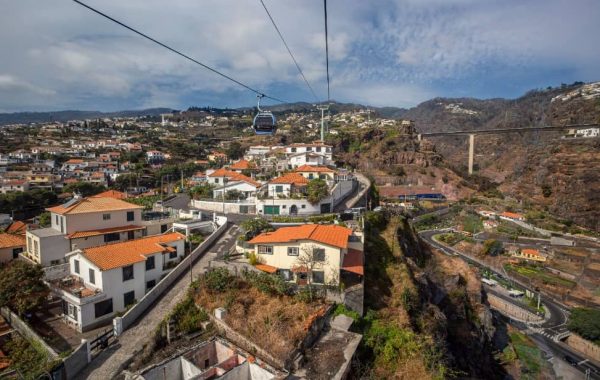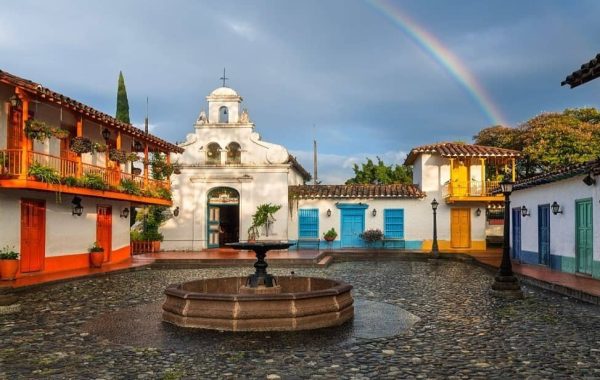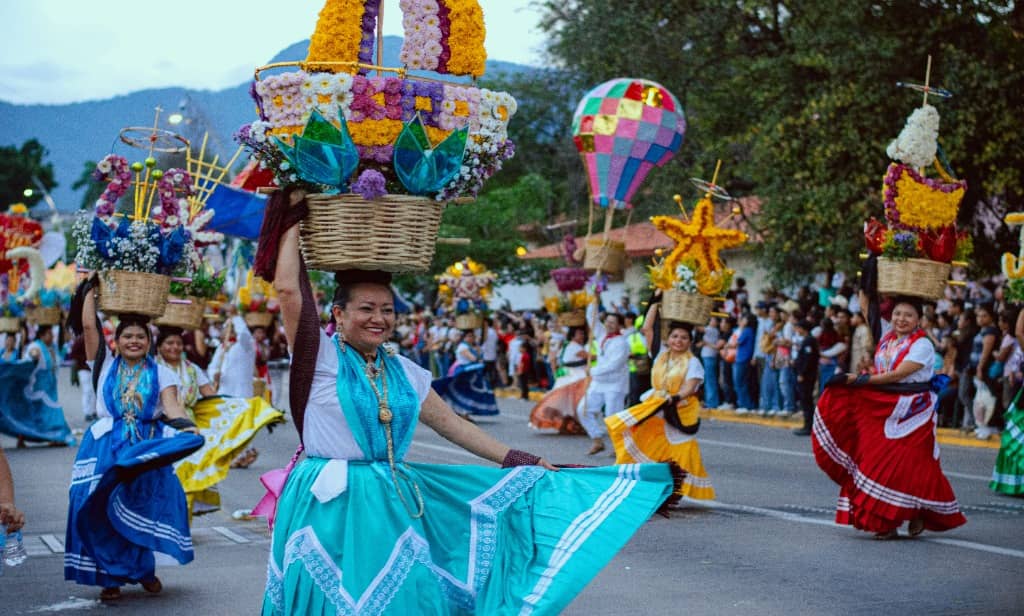
The Feria de las Flores is Medellín’s most important celebration, ten days when the city fills with flowers, music, parades, and food. At its heart is the silletero tradition of the flower-growing families of Santa Elena, which turns a rural way of life into one of Colombia’s best-known cultural events.
The History of the Feria de las Flores
The first Feria de las Flores took place on May 1, 1957, promoted by Arturo Uribe of the city’s tourism board. It lasted five days and was much smaller than today’s version, with stalls around the city, flower exhibitions, and social gatherings, and flower-growing farmers played a key role from the start.
The idea of a parade came from watching farmers walk down from Santa Elena to Medellín’s market squares, carrying colorful arrangements on their backs on wooden frames. The Placita de Flórez was one of the main places where they arrived to sell flowers. That image inspired a parade that would honor their work.
The Silletero Tradition
Silleteros trace back to the 19th century, when farmers and Indigenous people used wooden frames shaped like a chair, called silletas, to carry people, food, small animals, and goods along mountain paths to Medellín’s markets. Later, the silletas were used to carry Santa Elena’s flowers. Today, being a silletero is a cultural identity tied to farming, creativity, and family heritage, passed from parents to children.
The Desfile de Silleteros
The parade is the festival’s signature event and its closing day. More than 530 silleteros walk the streets of Medellín carrying floral creations, accompanied by dance groups and performers. The 2026 edition was the 69th. Each silleta takes weeks of planning, and many details are finished the night before to keep the flowers fresh.
Silletas are grouped into categories:
- Traditional: natural bunches of mixed flowers, inspired by the arrangements farmers once carried.
- Monumental: large, circular designs with geometric patterns and abundant flowers.
- Emblematic: pieces that use flowers like pixels to convey images, words, or messages.
- Artistic: experimental designs with more depth and movement.
- Commercial: silletas that represent companies or institutions while keeping their handcrafted quality.
Other Events to Look For
The fair runs roughly ten days from late July into early August. The 2026 edition ran from July 31 to August 9 with more than 120 free activities across the city and its rural districts, so check the official program each year. Highlights include:
- Classic and Antique Car Parade: one of the fair’s most crowded events.
- National Trova Festival: improvised, rhyming verse battles from Antioquia’s oral tradition.
- Silleteritos Parade: children carry silletas sized for them.
- Parque Cultural Nocturno: evening concerts and performances.
Visit a Silletero Farm in Santa Elena
One of the best ways to understand the festival is visiting a silletero farm in Santa Elena, where families grow flowers and build silletas. Visits often include demonstrations, family stories, and local food. Reserve ahead during the fair, choose authorized operators, and expect traffic changes.
Getting Around: Metro and Medellín Metrocable
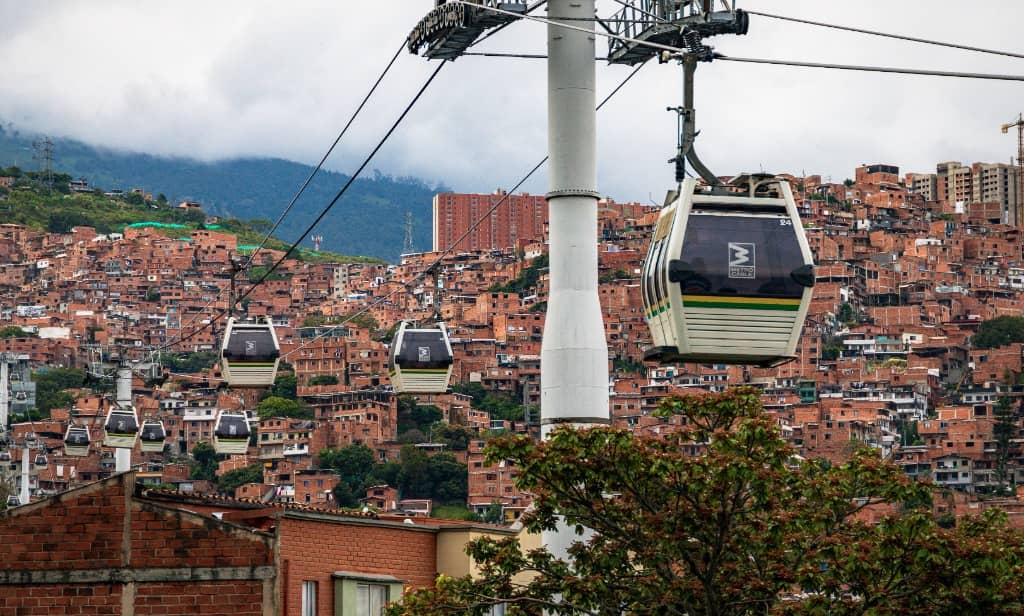
Public transport is the most practical way to move during the festival, since parades close streets. The Metro de Medellín connects with buses and the Medellín Metrocable, a network of cable cars that opened on August 7, 2004 and complements the metro.
Today the system has six lines (J, K, L, H, P, and M), 18 stations, and more than 14 kilometers of cable. Cabins carry 10 passengers and travel at about 18 km/h. Line K connects with Metro Line A at Acevedo, Line J with Line B at San Javier, and Line L links to Line K at Santo Domingo.
What to Eat
The festival is a good excuse to try Antioquian food. The bandeja paisa combines beans, rice, meat, chicharrón, egg, avocado, sweet plantain, and arepa, and is big enough to share. Arepas, empanadas, buñuelos, and sancocho are also popular. In Santa Elena, family-run restaurants serve traditional country dishes, and during crowded events it is wise to eat at established places and check prices before ordering.
Tips for Enjoying the Feria de las Flores
Check the official program every day, since schedules, access points, and parade routes can change. Arrive early to the busiest events, such as the Desfile de Silleteros and the classic car parade, to find a good spot and avoid rushing. Some areas have controlled-access grandstands, while others let you watch from open areas.
Wear comfortable shoes, sunscreen, a cap, and a light rain layer, since Medellín’s weather can shift during the day. Keep your belongings secure, look after children and older adults, respect the marked zones, and never touch the silletas or step into the parade route. Each piece is delicate, and each silletero carries a heavy load.
Which Area to Stay In
El Poblado has the widest choice of hotels, restaurants, and nightlife and is convenient for transport. Laureles and Estadio are well placed for events on the west side and have good access to public transport. The city center puts you near historic and cultural sites, though night-time trips need some planning. Staying in Santa Elena gives a rural experience close to the silletero farms, but you will need extra travel time to reach urban events.
Where to Stay in Medellín
Hotel occupancy usually rises during the fair, so book early. Travelers looking for the luxury places to stay in Medellín will find that The Collection offers an upscale option, while the best places to stay in Medellín through Wynwood House keep you close to the metro and the city’s main events.
Frequently Asked Questions
When is the Feria de las Flores held?
It takes place over about ten days between late July and early August. The 2026 fair ran from July 31 to August 9, with the Desfile de Silleteros on the final day.
Is the Feria de las Flores free?
Much of the program is free in public spaces, with more than 120 free activities announced for 2026. Some concerts, grandstands, and tours may require a ticket.
What is the best way to get around during the fair?
Use the Metro de Medellín and its connecting buses and Metrocable lines, since parades close roads and driving can be slow.