Mexican wrestling, better known as lucha libre, is far more than a sporting event. It’s a cultural phenomenon that blends athleticism, theater, mythology, and deep national pride into one electrifying experience. For locals, it’s part of everyday popular culture; for travelers, it’s one of the most unforgettable things to experience in Mexico City.
From the roar of the crowd at Arena México to the colorful masks worn with honor by legendary luchadores, Mexican wrestling tells stories of good versus evil, tradition versus rebellion, and identity versus anonymity. Whether you’re a lifelong wrestling fan or a curious first-time visitor, learning about lucha libre opens a window into the soul of modern Mexico.
What is Mexican wrestling?
At its core, Mexican wrestling is a form of professional wrestling distinguished by fast-paced aerial moves, acrobatics, and a strong emphasis on character. Wrestlers, known as luchadores, perform choreographed bouts that balance sport and spectacle, but the emotional investment from the audience is entirely real.
Técnicos vs. rudos
One of the defining elements of Mexican wrestling is the moral divide:
- Técnicos are the heroes. They follow the rules, represent honor, and often perform spectacular high-flying moves.
- Rudos are the villains. They cheat, provoke the crowd, and embrace chaos.
This clear narrative structure makes lucha libre easy to follow—even if you don’t understand Spanish—because the story unfolds visually and emotionally in the ring.
The cultural importance of the mask
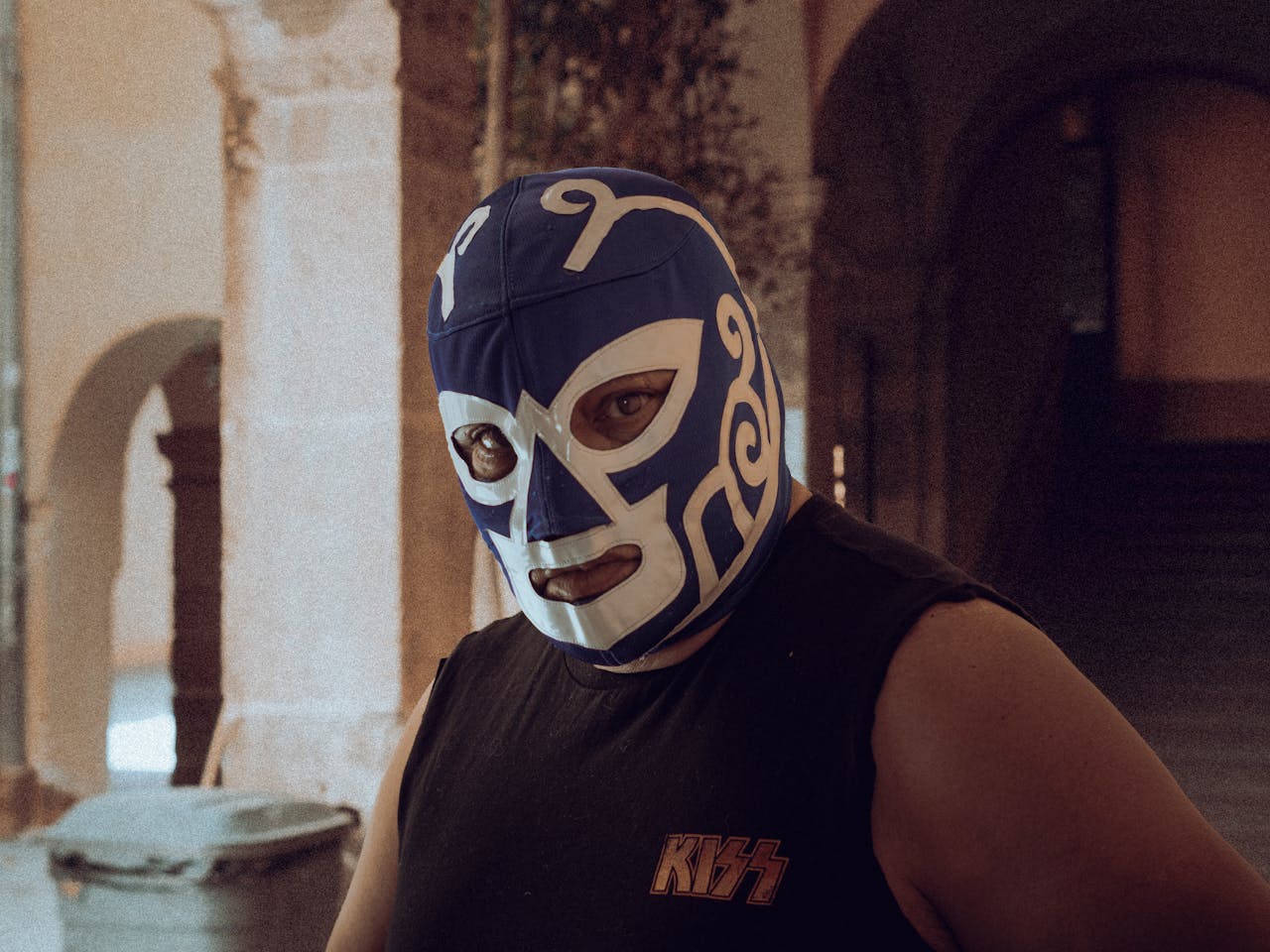
If there’s one symbol that defines Mexican wrestling worldwide, it’s the mask. Masks are not simple costumes; they represent identity, legacy, and personal mythology.
Masks as identity
For many luchadores, their mask is sacred. Losing it—usually in a high-stakes lucha de apuestas (bet match)—is one of the greatest humiliations in wrestling culture. A mask can represent ancestry, a character’s spirit animal, or a moral ideal.
Icons like El Santo, Blue Demon, and La Parka became national heroes partly because their masks transcended wrestling and entered film, comics, and pop culture. Even today, masked wrestlers are instantly recognizable symbols of Mexico around the world.
Mexican wrestling as a tourism experience
Over the years, Mexican wrestling has evolved from local entertainment into a globally recognized cultural attraction. In Mexico City, it’s common to see visitors from Europe, the United States, and Japan attending live events as part of their travel itinerary.
Why travelers love lucha libre
- Live shows are energetic, affordable, and authentic
- The crowd participation makes every event feel unique
- It offers a cultural experience that can’t be replicated elsewhere
Many tours now include wrestling nights combined with street food, mezcal tastings, or guided explanations of the rules and characters, making it accessible even for first-timers.
Where to experience Mexican wrestling in Mexico City
Mexico City is the undisputed capital of lucha libre. The city hosts weekly events that range from family-friendly matches to intense main events featuring legendary fighters.
Arena México
Often called “the Cathedral of Lucha Libre,” Arena México is the most famous wrestling venue in the country. Attending a match here is considered a rite of passage for fans and visitors alike.
Arena Coliseo
Older and more traditional, Arena Coliseo offers a more intimate setting and a rawer atmosphere that longtime fans appreciate.
If you’re planning to attend a show, staying centrally makes logistics much easier. Many travelers choose places to stay in Mexico City close to major neighborhoods, or opt for luxury places to stay in Mexico City for a more refined base after an adrenaline-filled night.
From the ring to movies and pop culture
Mexican wrestling has had an enormous impact beyond the arena. During the mid-20th century, luchadores became movie stars, starring in cult classics where they fought vampires, mummies, and criminal masterminds.
Luchadores as cultural icons
El Santo, in particular, became a symbol of justice and masculinity in Mexican cinema. These films helped export the image of Mexican wrestling worldwide and cemented its place in pop culture.
Today, masks appear in fashion, street art, design, and even fine art exhibitions. Museums and temporary exhibitions dedicated to lucha libre continue to attract both locals and international visitors.
The global reach of Mexican wrestling
Although lucha libre is deeply Mexican, its influence is global. Wrestlers trained in Mexico perform internationally, and Mexican styles have shaped modern wrestling in Japan, the United States, and beyond.
International recognition
- Major wrestling promotions have integrated Mexican techniques
- Documentaries and streaming platforms portray lucha libre as a must-see cultural experience
- International wrestling events draw inspiration from Mexican storytelling and athletic style
For many travelers, seeing Mexican wrestling live becomes one of the most memorable parts of their trip—often ranking alongside museums and historical landmarks.
Tips for attending a lucha libre show
What to expect
- Loud crowds, chants, and nonstop action
- Vendors selling masks, snacks, and souvenirs
- Matches that combine humor, drama, and athleticism
Practical advice
- Arrive early to soak in the atmosphere
- Don’t worry if you don’t know the rules—the crowd will guide you
- Buying a mask is part of the fun and completely acceptable
After the show, having comfortable accommodation nearby—whether modern or upscale—makes the experience even better, especially if you plan to explore more of the city the next day.
Why Mexican wrestling matters today
Mexican wrestling continues to thrive because it evolves while staying rooted in tradition. It reflects social dynamics, celebrates local heroes, and provides an accessible cultural space for all ages and backgrounds.
More than entertainment, lucha libre supports tourism, local economies, and cultural preservation. It’s one of the few experiences where sport, art, and identity collide in such a visible, joyful way.
FAQs about Mexican wrestling
What is Mexican wrestling called?
Mexican wrestling is known as lucha libre, which translates to “free fighting.”
Do I need to understand Spanish to enjoy it?
Not at all. The stories are told visually, and crowd reactions make it easy to follow.
Where is the best place to watch Mexican wrestling?
Arena México in Mexico City is the most iconic venue, but Arena Coliseo is also a great option.
Is Mexican wrestling suitable for tourists?
Yes. It’s one of the most tourist-friendly cultural experiences in Mexico City and widely recommended for first-time visitors.