What to Do in Chapultepec Forest
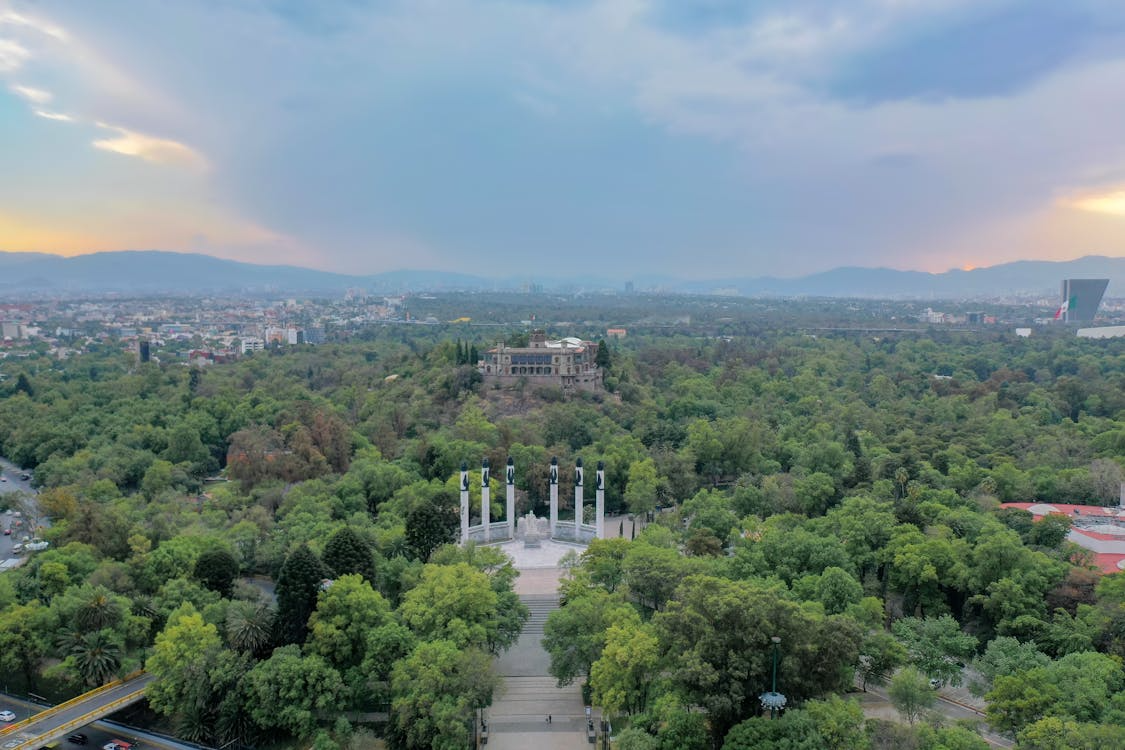
Spread across more than 678 hectares in the heart of Mexico City, Chapultepec Forest is one of the most important urban parks in the world. Divided into four sections, it brings together lakes, gardens, monuments, museums, cultural centers, playgrounds, sports circuits, and even a castle on a hill. Whether you are visiting the city for the first time or you live here and want to explore it more deeply, Chapultepec is a place you can return to again and again and still find something new.
This guide walks you through what to do in Chapultepec Forest: how to get there, what to see in each area, and how to make the most of your time in this green lung of Mexico City.
Where Is Chapultepec Forest and How to Get There
Chapultepec Forest is located in the Miguel Hidalgo borough of Mexico City, bordered by Paseo de la Reforma (near Anatole France) and Avenida Constituyentes (near José María Velasco). It’s very easy to reach using public transport.
Getting There by Metro or Metrobús
If you travel by Metro, the closest station is Chapultepec on Line 1 (the pink line). Look for the exit marked for Castillo de Chapultepec to access the First Section of the park.
If you prefer the Metrobús, take Line 7 and get off at Chapultepec. From there, walk to Puerta de los Leones, the main gateway into the forest.
For the Second and Third Sections, entrances are mainly along Avenida Constituyentes. From Metro Chapultepec, you can take local public transport for a small fare. If you’re driving, there are some parking options around the perimeter.
Opening Hours
First Section: Open Tuesday to Sunday, 5:00–20:00 in winter and 5:00–19:00 in summer. It has 12 different entrances.
Second to Fourth Sections: Open 24 hours, Monday to Sunday.
Recently, the traditional Chapultepec train has returned, offering a narrated route through 15 key sites in the First Section—a fun and easy way to get an overview of the park’s main attractions.
Museums and Culture in Chapultepec Forest
One of the biggest reasons to visit Chapultepec Forest is its impressive concentration of museums and cultural spaces—some of the most important in all of Mexico.
Chapultepec Castle (National Museum of History)
Perched on a hill with sweeping views of the city, Chapultepec Castle is officially the National Museum of History. Over the centuries it has been:
- A hermitage dedicated to Archangel Michael
- A gunpowder factory
- The residence of Emperor Maximilian and Empress Carlota
- The Military College and the setting of the famous Niños Héroes episode
Today, its halls, murals, and terraces tell the story of Mexico from the colonial period to the 20th century, all while offering some of the best viewpoints in the city.
National Museum of Anthropology
On the forest’s edge along Reforma stands the National Museum of Anthropology, the most famous museum in the country and one of the most important in the Americas. Inaugurated in 1964, it houses 24 exhibition halls with extraordinary collections from pre-Hispanic cultures such as the Mexica, Maya, and many more.
It’s an essential stop for anyone wanting to understand Mexico’s ancient roots.
Museo Tamayo and the Museum of Modern Art
Art lovers should not miss:
- Museo Tamayo, dedicated to modern and contemporary art, founded with works donated by Rufino Tamayo.
- The Museum of Modern Art, designed by architect Pedro Ramírez Vázquez and inaugurated in 1964, with a permanent collection of around 2,000 pieces by Mexican and international artists.
Together, they make Chapultepec one of the cultural hearts of Mexico City.
Other Cultural Spaces
Chapultepec Forest also includes:
- The Site Museum of Chapultepec, which explains the park’s origin, history, flora, and fauna.
- Casa del Lago, a cultural center managed by UNAM.
- The Museum of Natural History and Environmental Culture, focused on science and the environment.
- Los Pinos, once the official presidential residence, now transformed into a public cultural complex.
- Centro Cultural del Bosque, a cluster of theaters and performance spaces.
- Papalote Museo del Niño, an interactive museum for children based on science, technology, and art.
- Museo del Caracol, which narrates Mexican history from the end of the viceroyalty to the 1917 Constitution.
- Museo Jardín del Agua, combining architecture, engineering, and Diego Rivera’s art, including the mural El Agua, Origen de la Vida and a monumental sculpture of Tláloc.
Lakes, Gardens, and Nature in Chapultepec Forest
Despite being in one of the busiest cities in the world, Chapultepec Forest feels like a true escape into nature.
Chapultepec Lake and Second Section Lakes
The iconic Chapultepec Lake is an artificial body of water built in 1962, ideal for strolls, boat rides, and picnics. In the Second Section, the Lago Mayor and Lago Menor provide additional green spaces for walking, running, and spending time with family or pets.
Botanical Garden, Aviary, and Butterfly House
The Chapultepec Botanical Garden, near the Museum of Contemporary Art, is a peaceful oasis with around 400 plant and tree species, including ahuehuetes up to 300 years old, plus a 500-square-meter orchid house.
The park also features the Moctezuma Aviary and a butterfly house, where 50 butterfly species coexist in a climate-controlled garden of about 400 square meters.
Monuments, Fountains, and Entertainment
Throughout Chapultepec, you’ll encounter historic monuments and sculptures such as the Puerta de los Leones, the Altar a la Patria, the Obelisk to the Niños Héroes, the Baños de Moctezuma, the Canadian Totem, and the Korean Pavilion. Several fountains, including the Nezahualcóyotl Fountain, the Fountain of the Frogs, and the Fountain of the Templanza, add to the park’s charm.
Chapultepec Zoo and Audiorama
Founded in 1924, the Chapultepec Zoo is home to around 1,800 animals over 17 hectares and is one of the most beloved attractions for families.
For a quieter experience, the Audiorama de Chapultepec offers a shaded refuge for reading and listening to music, open Tuesday to Sunday from 9:00 to 16:00—a hidden gem for book lovers.
Between the Anthropology Museum and Museo Tamayo, you can also watch the Voladores de Papantla, a traditional ritual performance recognized as Intangible Cultural Heritage.
Sports, Playgrounds, and Active Spaces
Chapultepec is also a major hub for outdoor exercise.
Running Trails and Skatepark
Popular spots include:
- Calzada de los Poetas, ideal for jogging while passing busts of famous Mexican poets.
- El Sope and the Lago Mayor circuit in the Second Section.
- Parque Gandhi, one of the city’s favorite running routes.
- A skatepark with a plaza, playgrounds, green areas, and picnic furniture.
Children can also enjoy spaces like Parque La Hormiga and La Tapatía, a carefully designed play area with 13 modules for kids aged 2 to 12.
Where to Stay to Enjoy Chapultepec Forest
To fully enjoy Chapultepec Forest and the rest of Mexico City, staying in a well-located apartment makes a big difference:
- Luxury places to stay in Mexico City – curated high-end apartments with sophisticated design and excellent locations.
- Best places to stay in Mexico City – stylish, comfortable stays that make it easy to reach Chapultepec, Reforma, and the city’s main attractions.
FAQs About Chapultepec Forest
Is Chapultepec Forest safe to visit?
Yes. Chapultepec is one of the city’s most visited public spaces. As always, it’s wise to visit during the day, keep an eye on your belongings, and stay in well-populated areas.
How much time do I need to explore Chapultepec Forest?
You can see a few highlights in half a day, but to visit major museums, lakes, and trails calmly, it’s worth dedicating at least one full day—or visiting several times.
Is Chapultepec Forest family-friendly?
Absolutely. Between the zoo, lakes, playgrounds, Papalote Museo del Niño, and open green areas, it’s one of the best places in Mexico City for families with children.