Peru's extraordinary biodiversity — spanning desert coast, high Andes, and Amazon rainforest — has produced one of the richest collections of nutrient-dense native foods in the world. Long before "superfood" became a marketing label, Andean and Amazonian communities were cultivating these ingredients as staples of daily life. Today, Peruvian superfoods have earned global recognition, appearing in health food stores and high-end restaurants from Lima to London.
What makes Peruvian superfoods distinctive is that you can still find them exactly where they have always belonged: in the country's vibrant local markets, woven into everyday meals, and served in some of South America's most celebrated restaurants. This guide covers the essential Peruvian superfoods and where to find them during a visit to Peru.
The Essential Peruvian Superfoods
Quinoa — The Mother Grain
Quinoa is perhaps the most internationally recognized Peruvian superfood. Cultivated in the Andes for thousands of years, this complete protein grain contains all nine essential amino acids, plus high levels of fiber, iron, and magnesium. The Inca called it chisaya mama, "mother of all grains," reflecting its central place in Andean diets long before the rest of the world took notice.
In Peru, quinoa goes far beyond the salads familiar internationally — cooked into hearty soups, blended into breakfast porridges, and used in desserts. At a local market you'll find it in white, red, and black, each with a subtly different flavor.
Maca — The Andean Energy Root
Grown above 4,000 meters in the central Andes, maca root has been used for centuries for its purported effects on energy, stamina, and hormonal balance. It has a malty, slightly nutty flavor and is usually sold as a powder added to smoothies or hot drinks. Maca thrives because of the Andes' harsh growing conditions — its resilience to cold and thin soil contributes to a concentrated nutrient profile. It is widely available throughout Peru in root and powdered forms.
Camu Camu — The Vitamin C Powerhouse
Few fruits pack as much vitamin C as camu camu, a small, tart, cherry-like berry native to the Peruvian Amazon. Gram for gram, it contains dramatically more vitamin C than oranges, making it one of the most potent Peruvian superfoods for immune support. Its tartness means it is rarely eaten raw — typically blended into juices, sold as powder, or made into jams. It grows along the flooded riverbanks of the Amazon basin near Iquitos and Loreto, and appears regularly on Lima's juice bar menus.
Purple Corn — Antioxidants in Every Kernel
Maíz morado, or purple corn, is a deeply pigmented variety grown almost exclusively in Peru. Its color comes from anthocyanins, the same antioxidant compounds found in blueberries, in concentrations that make it one of the most antioxidant-rich Peruvian superfoods available. It is the base for chicha morada, a beloved non-alcoholic drink made by boiling the corn with pineapple, cinnamon, and cloves, and is also used in mazamorra morada, a traditional dessert pudding.
Kiwicha (Amaranth) — An Ancient Andean Staple
Kiwicha, known internationally as amaranth, was a sacred crop for the Inca and remains an important Peruvian superfood today. Like quinoa, it offers a complete protein profile along with significant calcium, iron, and fiber. Its small, slightly crunchy texture makes it popular toasted as a snack or breakfast cereal, and it is also ground into flour for bread and other baked goods.
Lúcuma — Peru's Native Superfruit
Lúcuma is a subtropical fruit native to Peru's Andean valleys, prized for its dense, custard-like flesh and maple-caramel flavor. Rich in fiber, beta-carotene, and antioxidants, it has become one of Peru's most beloved natural sweeteners. Lúcuma ice cream is a national favorite found in virtually every ice cream shop in the country, and the fruit also appears in cakes, smoothies, and baking powder.
Where to Find Peruvian Superfoods
Local Markets — The Freshest Source
The single best place to find Peruvian superfoods fresh and authentic is a local municipal market. In Lima, the Mercado de Surquillo is a favorite for locals and visiting food lovers alike, offering fresh quinoa, kiwicha, maca root, camu camu, purple corn, and lúcuma at prices far below specialty stores back home. Nearly every city and town in Peru has its own version of this kind of market, sold by the same families who have grown and traded these foods for generations.
Restaurants and Juice Bars
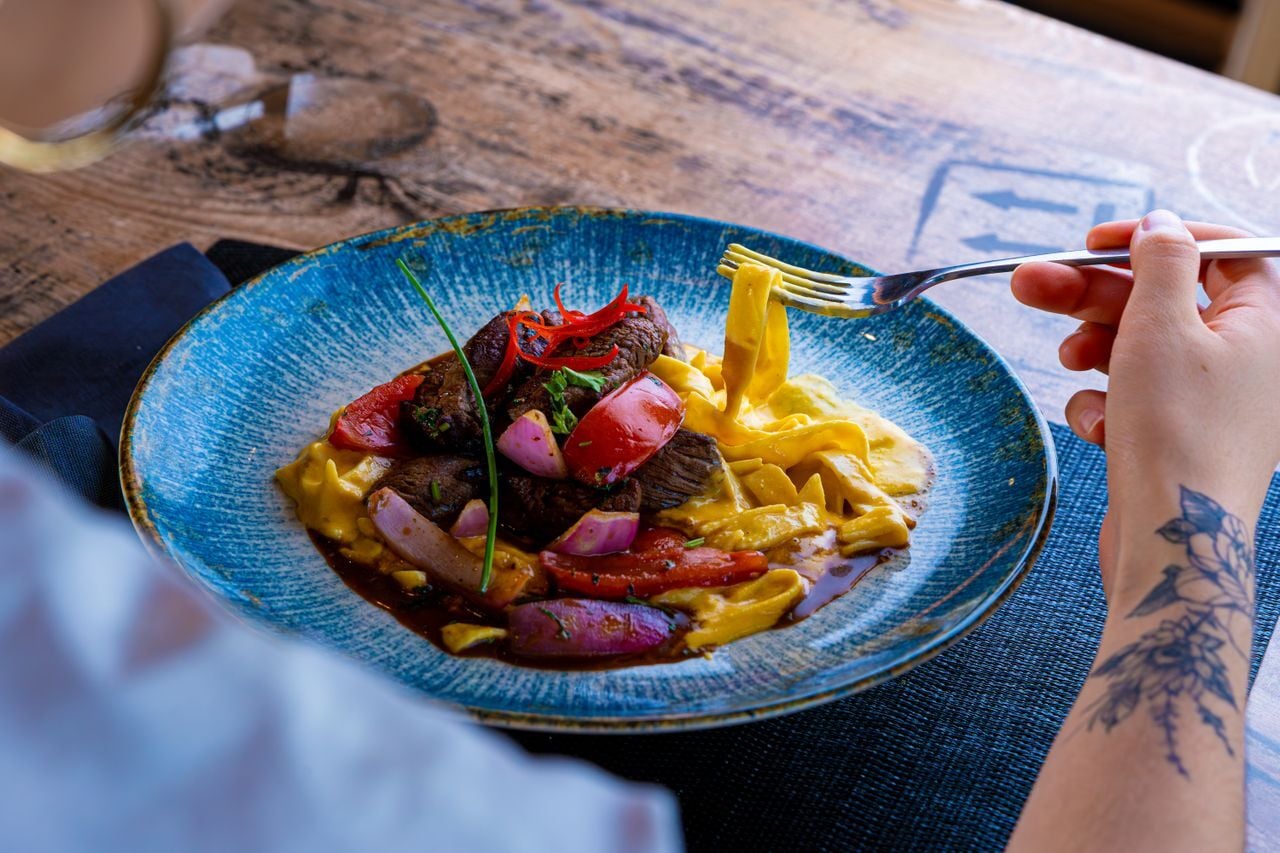
Peru's celebrated culinary scene has embraced its native superfoods enthusiastically. High-end restaurants feature quinoa, purple corn, and lúcuma in contemporary presentations, while casual juice bars throughout Lima blend camu camu, maca, and other native ingredients into refreshing drinks. Asking for chicha morada or a fresh camu camu juice at any local restaurant is an easy way to sample Peruvian superfoods without seeking out a specialty venue.
Where to Stay While Exploring Peru's Superfoods
Many travelers build their culinary exploration of Peru around a base in Lima, where access to the country's best markets, restaurants, and juice bars is unmatched.
For a premium experience while discovering Peruvian superfoods and cuisine, explore the best luxury places to stay in Peru — exceptional properties in Peru's finest destinations.
For a wider range of styles and budgets, discover the top places to stay in Peru — well-located properties that put you close to the country's best markets and culinary experiences.
FAQs
What are the most popular Peruvian superfoods?
The most widely recognized Peruvian superfoods are quinoa, maca, camu camu, purple corn, kiwicha (amaranth), and lúcuma. Each offers a distinct profile — quinoa and kiwicha for complete plant protein, maca for energy and hormonal support, camu camu for exceptionally high vitamin C, purple corn for antioxidants, and lúcuma as a naturally sweet fruit used widely in desserts.
Where can I buy Peruvian superfoods in Lima?
Local municipal markets are the best source for fresh, affordable Peruvian superfoods. The Mercado de Surquillo is particularly well regarded for its range of fresh produce, including quinoa, maca root, fresh camu camu, and lúcuma. Health food stores and supermarkets throughout the city also stock powdered and packaged versions for travelers who want to bring some home.
Are Peruvian superfoods safe to try for everyone?
Most, including quinoa, kiwicha, camu camu, purple corn, and lúcuma, are simply nutrient-dense whole foods safe for the vast majority of people to enjoy as part of a normal diet. Maca, often consumed as a concentrated powder, has more pronounced physiological effects, so anyone with a hormone-sensitive condition, who is pregnant, or taking medication should consult a doctor before using it concentrated. Eating these foods in their natural, whole form at a Peruvian market or restaurant is generally considered safe for travelers.