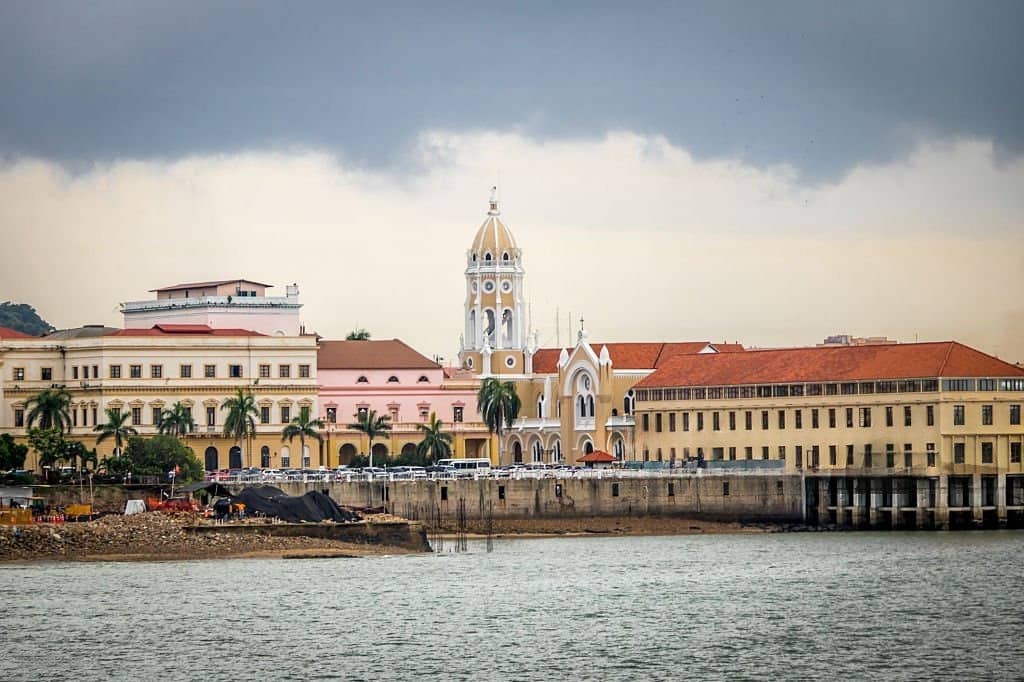
Walking through Casco Viejo in Panama City is like stepping into a neighborhood where history, colonial architecture, and modern life coexist along a few streets facing the Pacific Ocean. Amid plazas, cafés, and restored buildings, every corner has a story to tell.
In this guide, you'll find the most important sites, the plazas that mark the route, the historic spots that won't go unnoticed, and a few places to stop for a bite to eat or to enjoy the neighborhood.
A First Look at Casco Viejo
The neighborhood's history begins in 1673, when the new city was established after Panama Viejo was attacked and destroyed in 1671. Over time, the neighborhood incorporated Spanish, French, and Caribbean influences that can still be recognized in its buildings.
As a result, in 1997, the historic district was designated a UNESCO World Heritage Site. This blend of heritage and everyday life is precisely what makes strolling through its streets so different from visiting a traditional museum.
What are the three most famous squares in Casco Viejo?
A good way to get your bearings is to explore the neighborhood from square to square. You can start at Santa Ana and continue through Herrera, Francia, and Independencia, following part of the route recommended by Panama's official tourism website.
Plaza de la Independencia
Also known as Plaza Catedral or Plaza Mayor, it is one of the most recognizable spots in Casco Viejo. Here you'll find the Santa María la Antigua Cathedral Basilica, as well as the Interoceanic Museum of Panama and several historic buildings.
The cathedral stands out for its white towers and its location facing the plaza. From here, you can continue walking toward other streets in the neighborhood and discover cafes, restaurants, and buildings from different eras.
Plaza Bolívar
Plaza Bolívar has a more peaceful atmosphere and is surrounded by historic buildings. One of the most notable is the Church of San Francisco de Asís, while the surrounding restaurants and outdoor seating areas make it a great place to stop during your tour.
The plaza is also an integral part of the neighborhood's cultural identity, where old buildings coexist with modern establishments.
Plaza de Francia
Aquí la historia del barrio se relaciona directamente con el Canal de Panamá. El espacio rinde homenaje al esfuerzo francés realizado durante los primeros intentos de construcción de la vía interoceánica y está acompañado por esculturas y elementos monumentales.
Desde esta zona puedes continuar hacia el Paseo Esteban Huertas, uno de los puntos más agradables para caminar junto a las antiguas murallas.
Historic Sites Worth a Closer Look
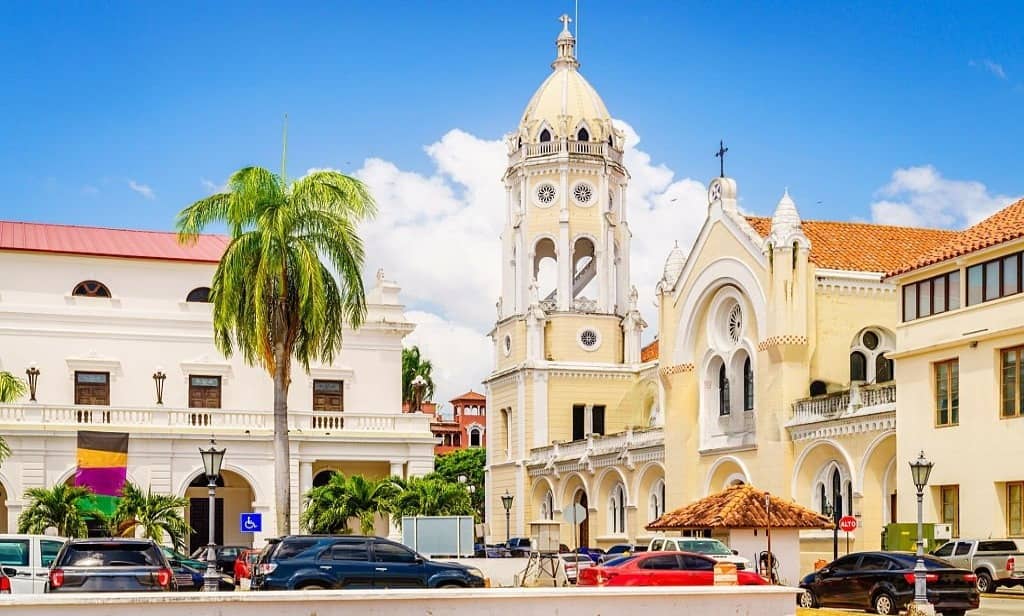
San José Church and Its Golden Altar
San José Church, built in 1675, houses one of the neighborhood's most famous features: its Golden Altar. It is a Baroque wooden altarpiece covered in gold leaf.
There is a famous story that the altar was painted black to hide it from Henry Morgan's pirates. However, the organization that manages the churches in the Old Town points out that this version does not align with the chronology of the altarpiece, so it should be taken as a legend rather than a historical fact.
Arco Chato
The Arco Chato is one of the ruins that give a sense of what the walled city once looked like. Its structure is linked to the former Santo Domingo convent, and it is one of those spots where the neighborhood's history becomes clearer when you directly observe its materials and dimensions.
Paseo de las Bóvedas
This walkway stretches along part of the old city wall and offers an unobstructed view of the Pacific Ocean. Panama Tourism recommends it as a way to enjoy the views and photograph the neighborhood's architecture from a different angle.
From Casco Viejo to the Amador Causeway
What will you find in Amador?
The Amador Causeway is a 6-kilometer-long coastal causeway built with material excavated during the construction of the Panama Canal. The causeway connects the city to the islands of Naos, Perico, and Flamenco.
- Waterfront promenades.
- Views of the Panama City skyline.
- Bike paths and walking areas.
- Restaurants and shops.
- Access to activities on the islands.
- Close proximity to the Biomuseo and the Punta Culebra Nature Center.
There is no general admission fee to access the causeway as a public promenade. Costs depend on the specific activities, rentals, restaurants, or attractions you choose.
Before Visiting Casco Viejo: Hours, Prices, and Recommendations
- Canal Museum: Open Tuesday through Sunday, from 9:00 a.m. to 6:00 p.m.; the ticket office closes at 5:30 p.m. Non-resident adults pay US$15, while non-resident students and seniors pay US$7.50.
- San José Church: Currently open from 7:00 a.m. to 7:00 p.m.; there is no admission fee, though donations are accepted.
- Duration: Set aside about 4 to 5 hours if you want to see the main squares, churches, and city walls, and have a meal.
- How to get there: You can take a taxi, use ride-sharing apps, or take public transportation. To get to Amador, the Panama Tourism Board recommends taking route C850 from Albrook.
- What to bring: water, sunscreen, light clothing, and comfortable shoes.
- Safety: Stay in tourist areas, keep an eye on your belongings, and avoid wandering aimlessly through unfamiliar neighborhoods, especially after dark.
Where to stay in Panama?
If you want to explore Casco Viejo in Panama and other parts of the city, it's important to choose accommodations from which you can get around easily.
At Wynwood House, you'll find furnished apartments in Panama, with spaces equipped for a comfortable rest after exploring the city. Plus, a convenient location makes it easier to plan your visits to Casco Viejo and other attractions in the capital.
Book your accommodation and enjoy your stay with the comfort you deserve.
FQs
How much does it cost to visit Casco Viejo?
There is no general admission fee to explore the streets, plazas, and Las Bóvedas. However, you should factor in the cost of admission to paid attractions. For example, the Canal Museum charges US$15 for non-resident adults.
How do I get to the Amador Causeway from Casco Viejo?
You can take a taxi, use ride-sharing apps, or combine public transportation options. To get to Amador by bus, Panama Tourism recommends taking route C850 from the Albrook station.
When is the best time to visit?
The morning is a comfortable time for walking and visiting museums and churches. For photography, the late afternoon is ideal because of the light and the views from Las Bóvedas. If you want to end your day in Amador, plan your trip so you arrive before sunset.