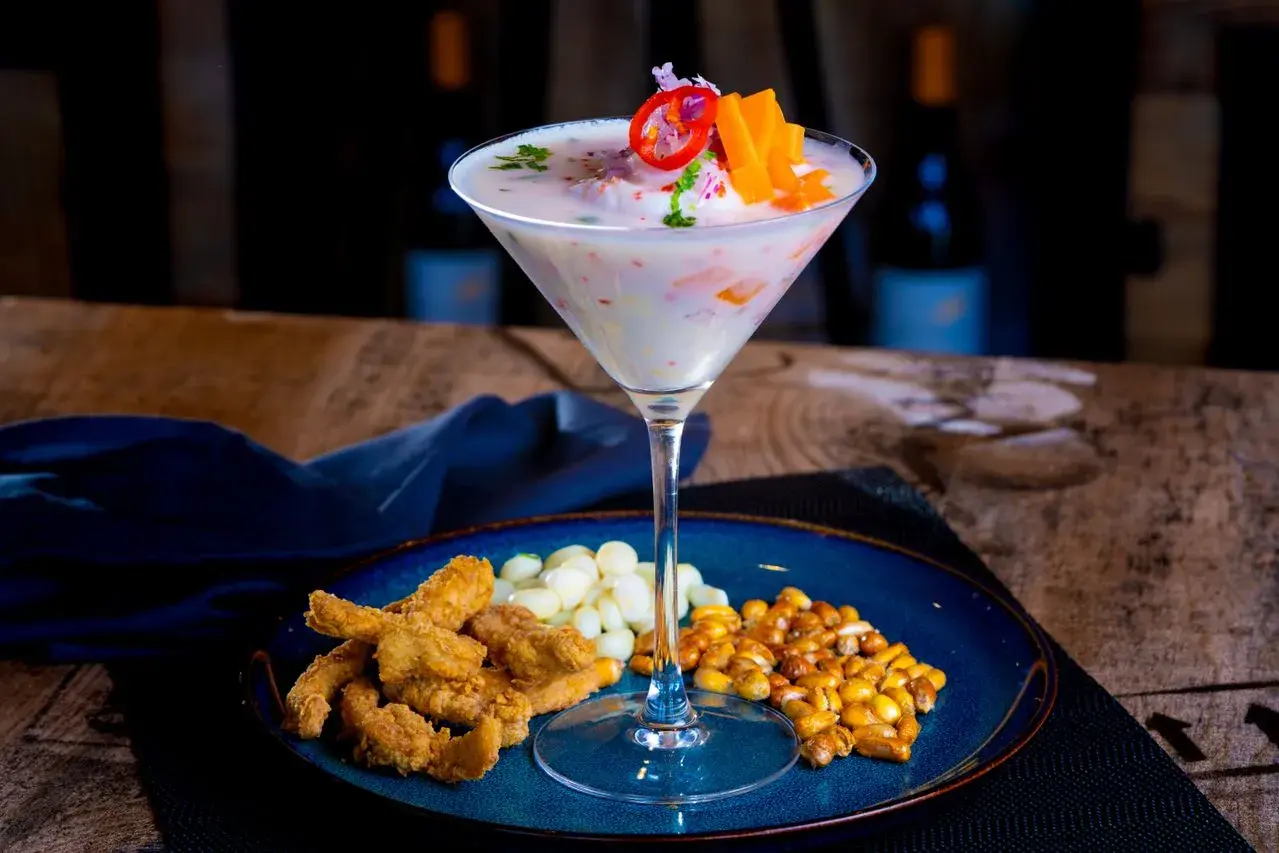
Peru has become one of the most exciting culinary destinations on the planet, and at the heart of that reputation sits Lima. If you are searching for the best cooking experience in Lima, Peruvian gastronomy offers a rare combination of tradition, innovation, and biodiversity that few countries can match. From tasting menus built around Andean altitudes to street-level ceviche stands, Lima turns every meal into a story about the country itself.
This guide walks through why Lima has become a global food capital, which restaurants define the scene, how other Peruvian regions add their own flavors to the national table, and where to stay if you want your trip to revolve around food.
Why Lima Is the Epicenter of Peruvian Gastronomy
Lima's rise to culinary stardom did not happen overnight. Chefs like Gastón Acurio, Virgilio Martínez, and Pía León spent years researching native ingredients, working directly with small producers, and reintroducing forgotten crops to modern menus. That research paid off: Peru has repeatedly been named the World's Leading Culinary Destination, and Lima restaurants consistently appear on lists like The World's 50 Best Restaurants and 50 Best Latin America.
What makes Peruvian gastronomy so distinctive is its diversity of ecosystems. A single tasting menu in Lima can include ingredients pulled from the coast, the Andes, and the Amazon rainforest in the same sitting. This is not a cuisine built around one or two signature dishes; it is a culinary map of an entire country condensed onto a plate.
Top Restaurants for an Unforgettable Peruvian Gastronomy Experience
Lima's dining scene is anchored by a handful of restaurants that have become pilgrimage sites for food lovers.
Central
Led by chef Virgilio Martínez, Central has been ranked the second-best restaurant in the world by The World's 50 Best Restaurants and the top restaurant in Latin America. Its tasting menus, such as "Mundo Mater," take diners through ingredients sourced from fourteen different ecosystems and altitudes, from high-Andean tubers to coastal seafood. Reservations are essential, and menus typically range from around 950 to 1,064 soles per person.
Maido
Chef Mitsuharu "Micha" Tsumura built Maido around Nikkei cuisine, the fusion of Japanese technique with Peruvian ingredients. Ranked 11th in the world and third in Latin America, Maido offers a Nikkei tasting menu along with a dedicated vegetarian option, proving that Peruvian gastronomy can be just as compelling without meat or fish.
Mayta
Chef Jaime Pesaque's Mayta earned recognition as the World's Best Restaurant at the 2022 World Culinary Awards and ranks among the top restaurants in Latin America. The menu features contemporary interpretations of Peruvian classics, from duck egg preparations to paiche, an Amazonian fish, served confit style.
Astrid & Gastón
Founded by Gastón Acurio and Astrid Gutsche, Astrid & Gastón remains one of the most influential restaurants in Peru's culinary history. The menu leans on traditional ingredients and techniques, presenting dishes like causa and confit guinea pig with a refined, modern touch.
Beyond Lima: Regional Flavors That Complement the Experience
While Lima anchors most conversations about Peruvian gastronomy, the regions surrounding it add essential context to the country's culinary identity.
Arequipa's Bold Traditional Dishes
Known as the "White City," Arequipa is home to picanterías, traditional restaurants serving hearty regional specialties. Rocoto relleno, stuffed spicy peppers, and chupe de camarones, a rich shrimp chowder, showcase a bolder, spicier side of Peruvian cooking that pairs well with a trip focused on Lima's fine-dining scene.
Cusco's Andean-Spanish Fusion
Cusco, the former capital of the Inca Empire, blends Andean ingredients with Spanish colonial influence. Dishes like lomo saltado and ají de gallina are staples here, and markets such as San Pedro offer an immersive look at the produce that eventually finds its way into Lima's most celebrated kitchens.
Sabores del Amazonas: An Amazonian Culinary Detour
No overview of Peruvian gastronomy is complete without the Amazon. Ingredients like paiche, one of the largest freshwater fish in the world, and tacacho con cecina, made from mashed plantains and dried pork, reflect a completely different culinary tradition than the coast or the highlands. Riverboat experiences along the Amazon let travelers taste dishes like juanes and patarashca while learning about the ingredients firsthand from local communities.
Where to Stay for the Ultimate Culinary Getaway
A food-focused trip to Peru deserves a base that matches the experience. Travelers looking for luxury places to stay in Peru will find that The Collection offers an elevated setting close to Lima's culinary hubs, ideal for guests planning multiple restaurant reservations across the city. For those who want flexible, well-located places to stay in Peru, Wynwood House provides a comfortable option that puts Lima's best restaurants within easy reach.
Pairing accommodation with a well-planned restaurant itinerary makes it possible to experience several of Lima's top kitchens without losing time on logistics.
The best cooking experience in Lima comes from understanding that Peruvian gastronomy is not a single style of cooking, but a network of regional traditions brought together in one city. Restaurants like Central, Maido, Mayta, and Astrid & Gastón showcase the coast and the Andes, while dishes from Arequipa, Cusco, and the Amazon round out the full picture. Planning a trip around these flavors, with the right base to stay in, turns a simple vacation into a genuine culinary journey through Peru.
Frequently Asked Questions
What makes Peruvian gastronomy different from other Latin American cuisines?
Peruvian gastronomy draws from an unusually wide range of ecosystems within a single country, including the Pacific coast, the Andes mountains, and the Amazon rainforest. This allows chefs to combine ingredients like seafood, native tubers, and tropical fruits in ways that are less common elsewhere in the region.
Which Lima restaurants are best for first-time visitors interested in Peruvian gastronomy?
Central, Maido, and Astrid & Gastón are strong starting points because each represents a different angle on Peruvian cooking: territorial tasting menus, Nikkei fusion, and modern interpretations of traditional dishes, respectively. Booking well in advance is recommended, as tables at these restaurants fill up quickly.
Do I need to leave Lima to experience authentic Peruvian gastronomy?
No, but it helps to understand the context. Lima's top restaurants source ingredients from across the country, so a trip focused on Lima still touches on Andean and Amazonian flavors. That said, a short visit to Arequipa, Cusco, or the Amazon adds a more complete picture of the country's culinary diversity.